
-
Twój koszyk jest pusty!

UNCOVERING COMPRESSED AIR LEAKS IN PULP AND PAPER MILLS WITH ACOUSTIC IMAGING CAMERAS
CHALLENGE
Amid an ongoing energy crisis, industries must prioritise the efficient use of resources to ensure their continued success. Among various manufacturing industries, such as paper and pulp, energy expenses comprise a significant portion of total production costs. For example, in the pulp and paper industry, energy usage can account for up to 20% of total manufacturing costs.

Compressed air systems often operate continuously in manufacturing plants and contribute substantially to the total energy expenses. Compressed air is used throughout the entire papermaking process. Compressed air is used to separate and clean the raw pulp fiber, operate pneumatic tools, and even control valves.
Unfortunately, compressed air leaks are abundant in manufacturing plants. Compressed air systems typically lose 25-30% of their air to leaks. Skilled leak auditors that will you some plants waste far more than average, with leakage levels of over 80% not uncommon.
Compressed air leaks can result in energy waste, reduced productivity, and increased operating costs, so it is imperative for the pulp and paper industry, as well as other manufacturing industries, to address these compressed air leaks through proactive measures such as regular system maintenance, timely repairs of leaks, and the implementation of advanced leak detection technologies to minimise energy costs and enhance production efficiency.

Compressed air systems are a critical component of the paper recycling process
SOLUTION
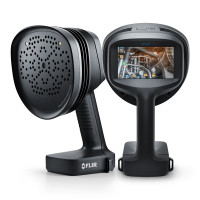
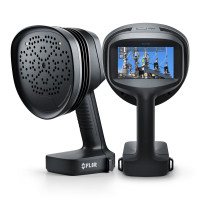
In contrast to traditional methods like sniffers and leak sprays, the FLIR Si ultrasonic air leak detector offers a much safer and faster alternative for maintenance personnel. Its advanced technology enables compressed air leaks to be identified accurately from a distance, eliminating the need for close proximity to suspected leak areas and heavy machinery, thereby reducing the risk of occupational hazards and promoting a safer working environment.
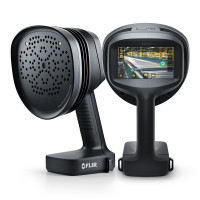
Featuring 124 microphones, the FLIR Si offers swift and precise leak detection and estimation of the severity and associated cost in real-time using AI-driven analytics. The Si’s sensitive microphones are also advantageous when inspecting high voltage systems, which require a safe distance from the energised equipment.
The camera also requires minimal training. Its one-handed operation makes it user-friendly and compatible with any stage of a mill’s maintenance cycle, while its large-scale inspection capability ensures inspections can be carried out without interrupting production, thus further reducing costs.
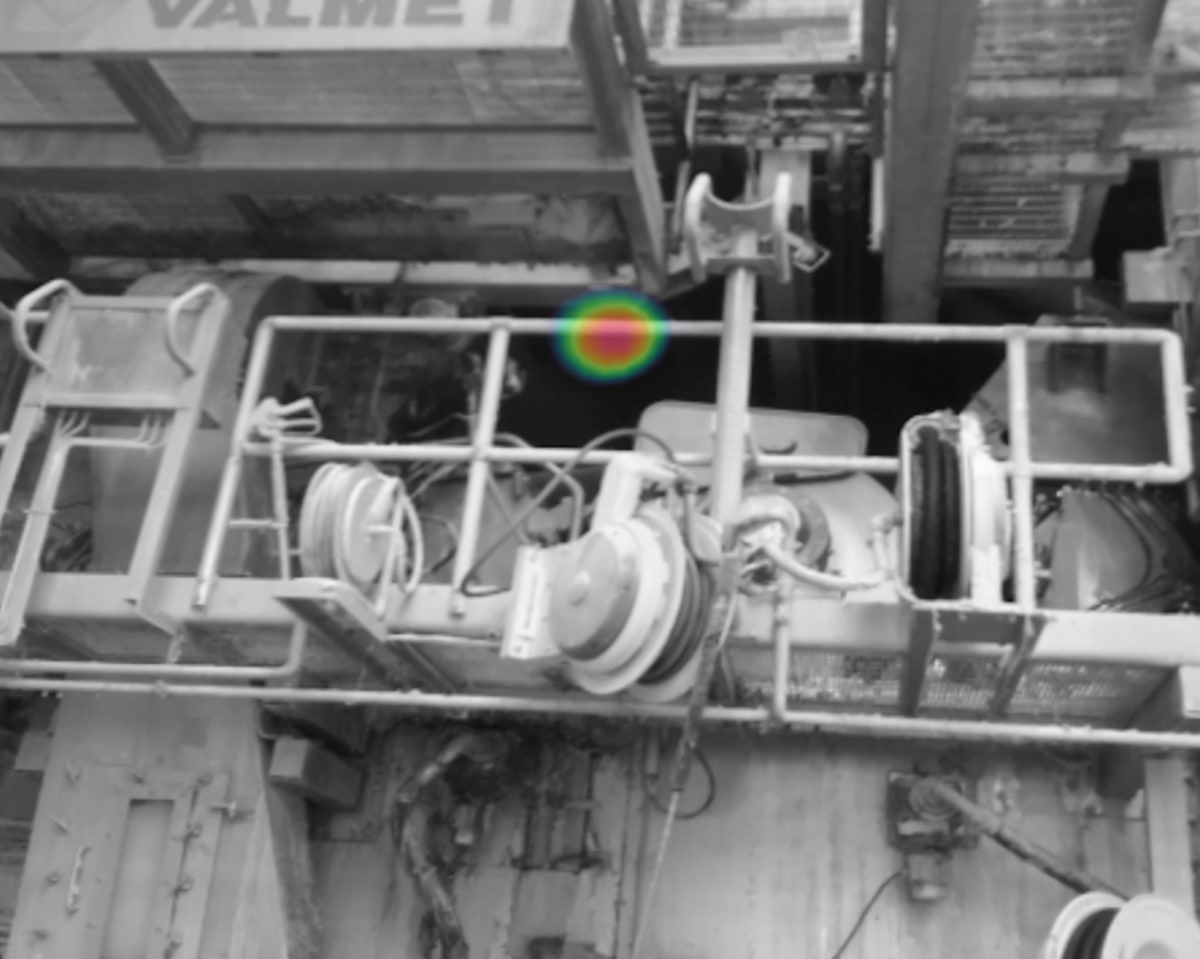
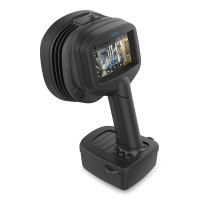
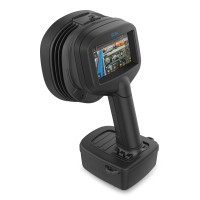
The FLIR Si detecting a compressed air leak
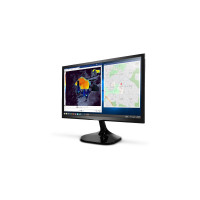
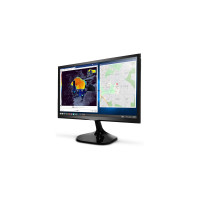
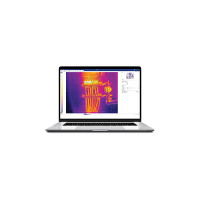
The FLIR Si’s software sets it apart from other acoustic imaging cameras. The FLIR Si-Series Plugin for FLIR Thermal Studio Suite allows you to import acoustic images from FLIR Si-Series cameras to FLIR Thermal Studio. The software enables maintenance departments to prioritise reporting while making it easier for maintenance managers to demonstrate the impact of leaks on a company’s bottom line. With the plugin you have support for automatic fault classification, severity indication, recommended action for utility inspections, estimation of leak volume, and cost savings for air leaks. The software even integrates thermal and acoustic imaging in a single report.
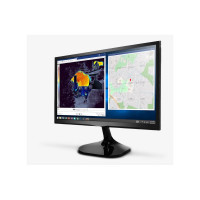
Additionally, with FLIR Acoustic Camera Viewer, image captures are rapidly uploaded over Wi-Fi and analysed in-depth, facilitating quantification of compressed air leaks, including estimated leak cost.
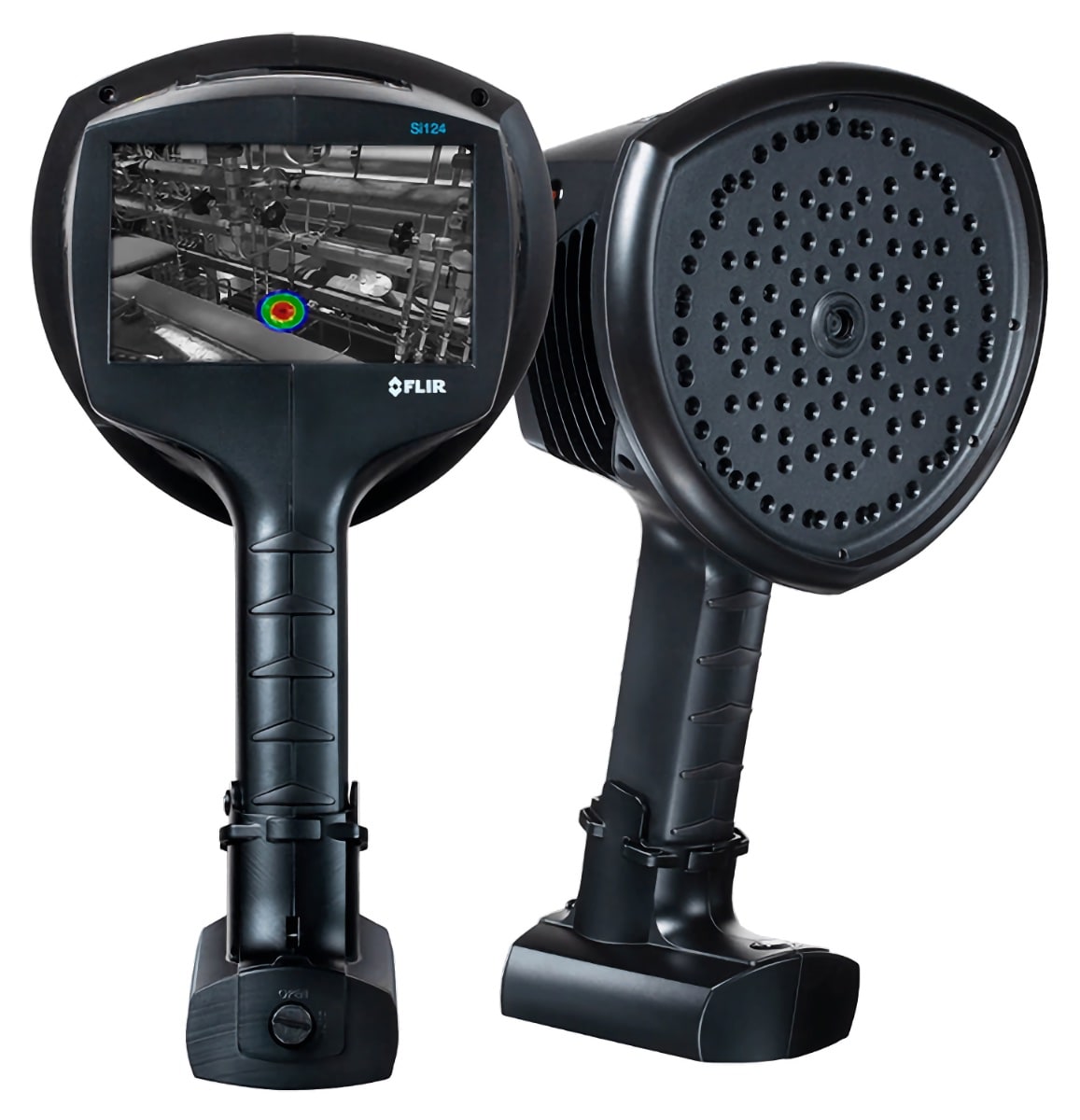
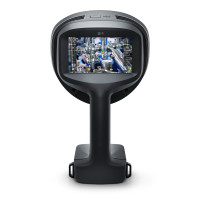
FLIR Si Acoustic Imaging Camera
RESULTS
By deploying the FLIR Si acoustic imaging camera, mills can locate pressurised leaks in compressed air systems up to 10 times faster than point scanning methods.
The FLIR Si can also save pulp and paper mills money. To estimate the potential energy a plant could save from detecting and repairing air leaks, in relation to the cost of the camera itself, the Si-LD ROI Calculator can be used.
Ultimately acoustic imaging cameras offer a wealth of benefits and results regarding air leak detection in pulp and paper mills. By deploying an ultrasonic acoustic detector, mills can save money and ensure uninterrupted operations by identifying hidden compressed air leaks before they become critical problems.
The benefits of using an acoustic imaging camera for air leak detection in pulp and paper mills include the following:
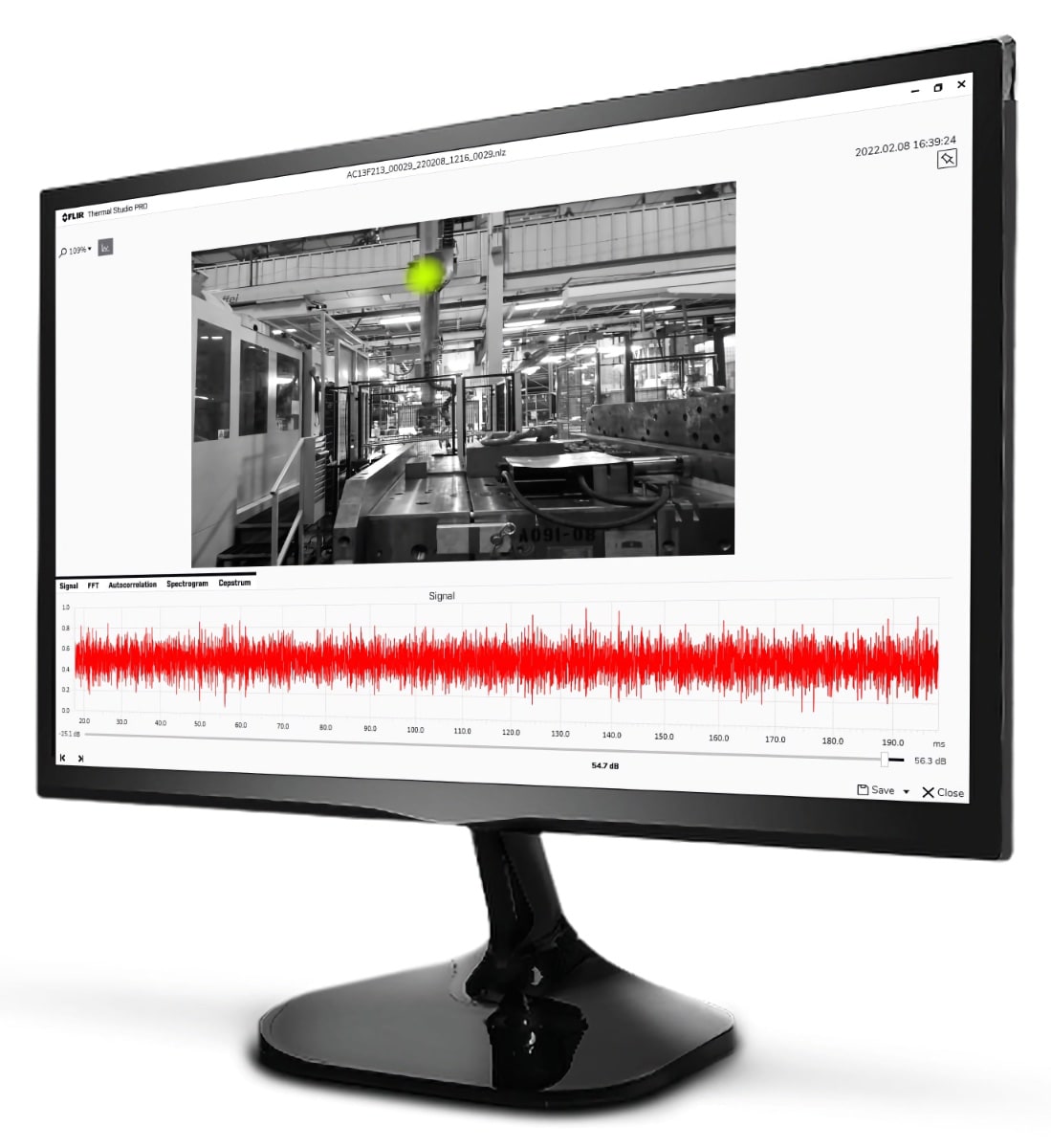
FLIR Thermal Studio Suite with the Si-Series Plugin









Leave a Comment