
-
Twój koszyk jest pusty!

Twój koszyk jest pusty!

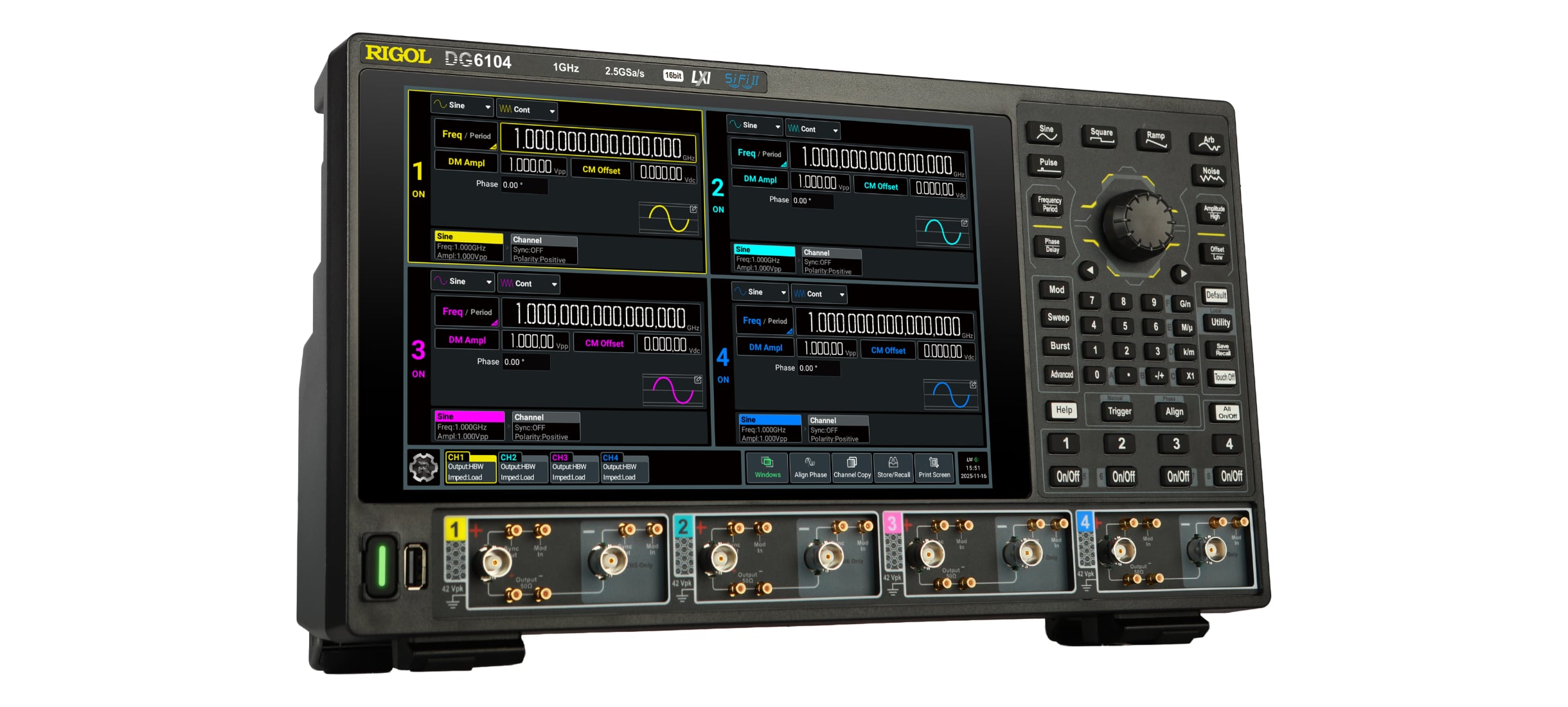
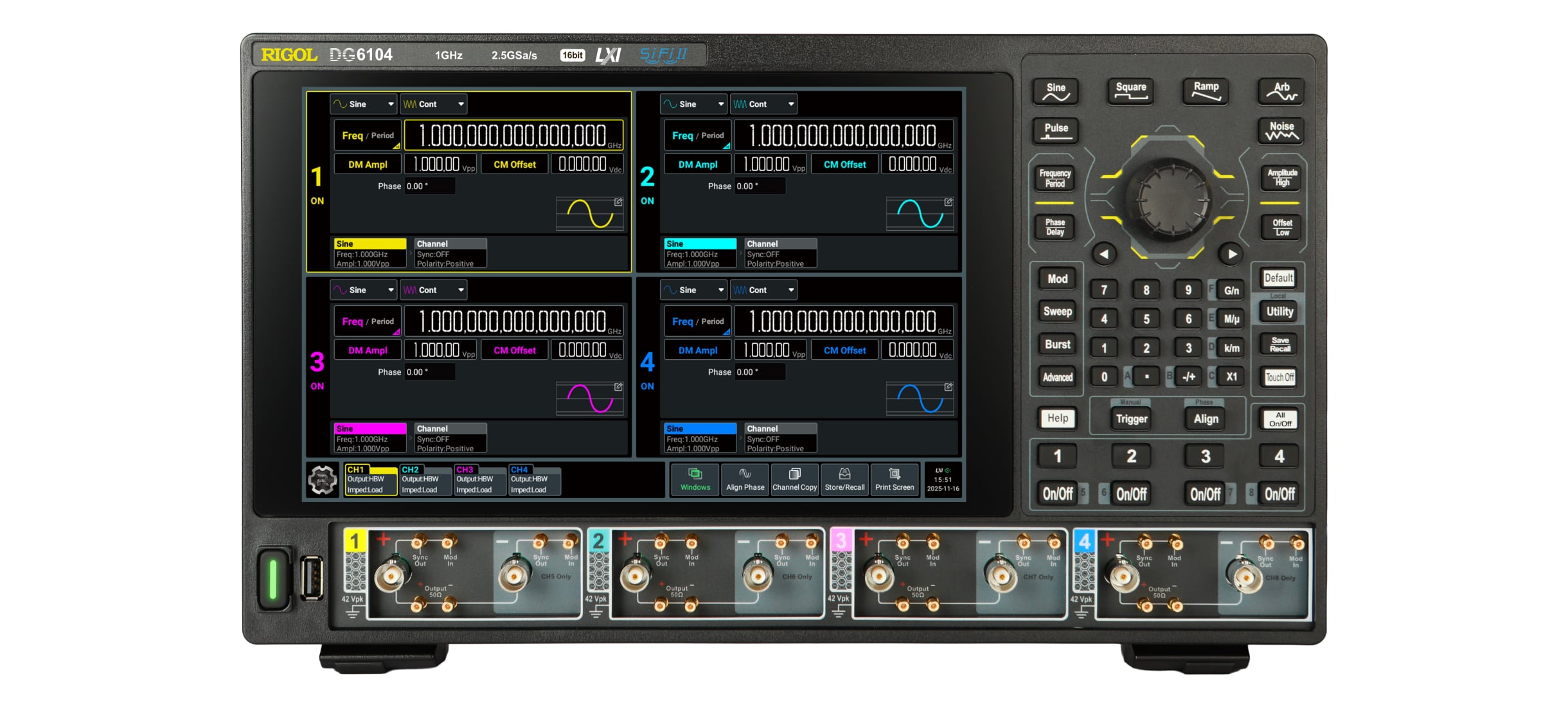
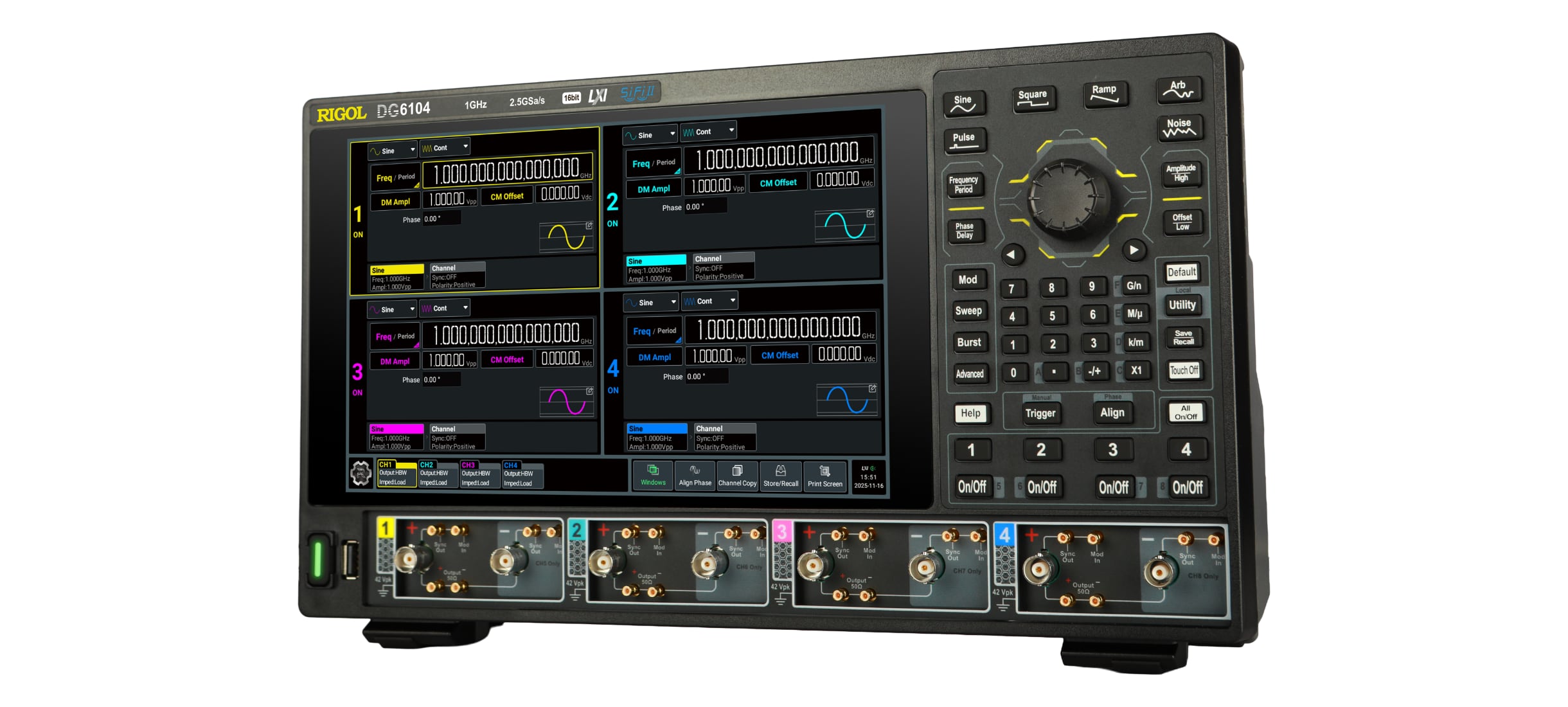
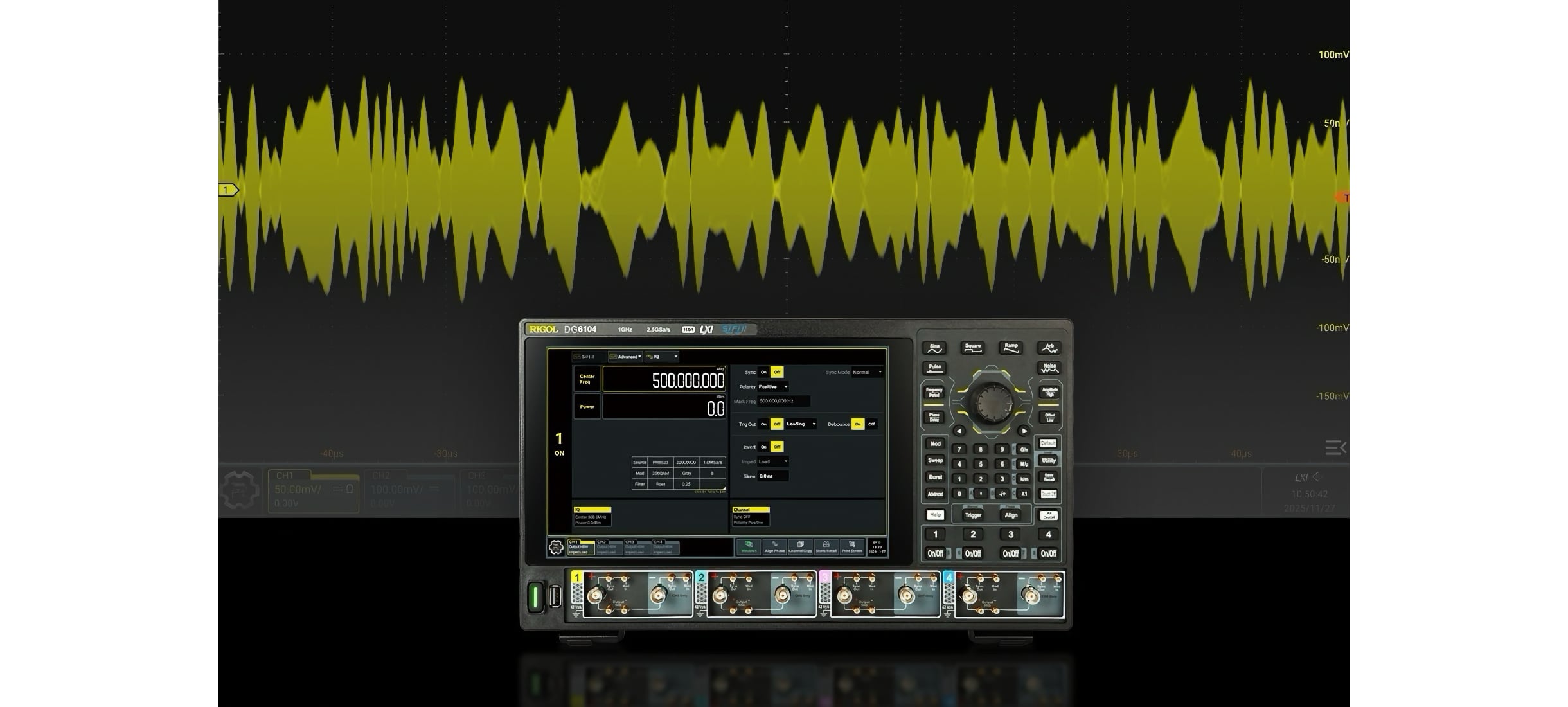
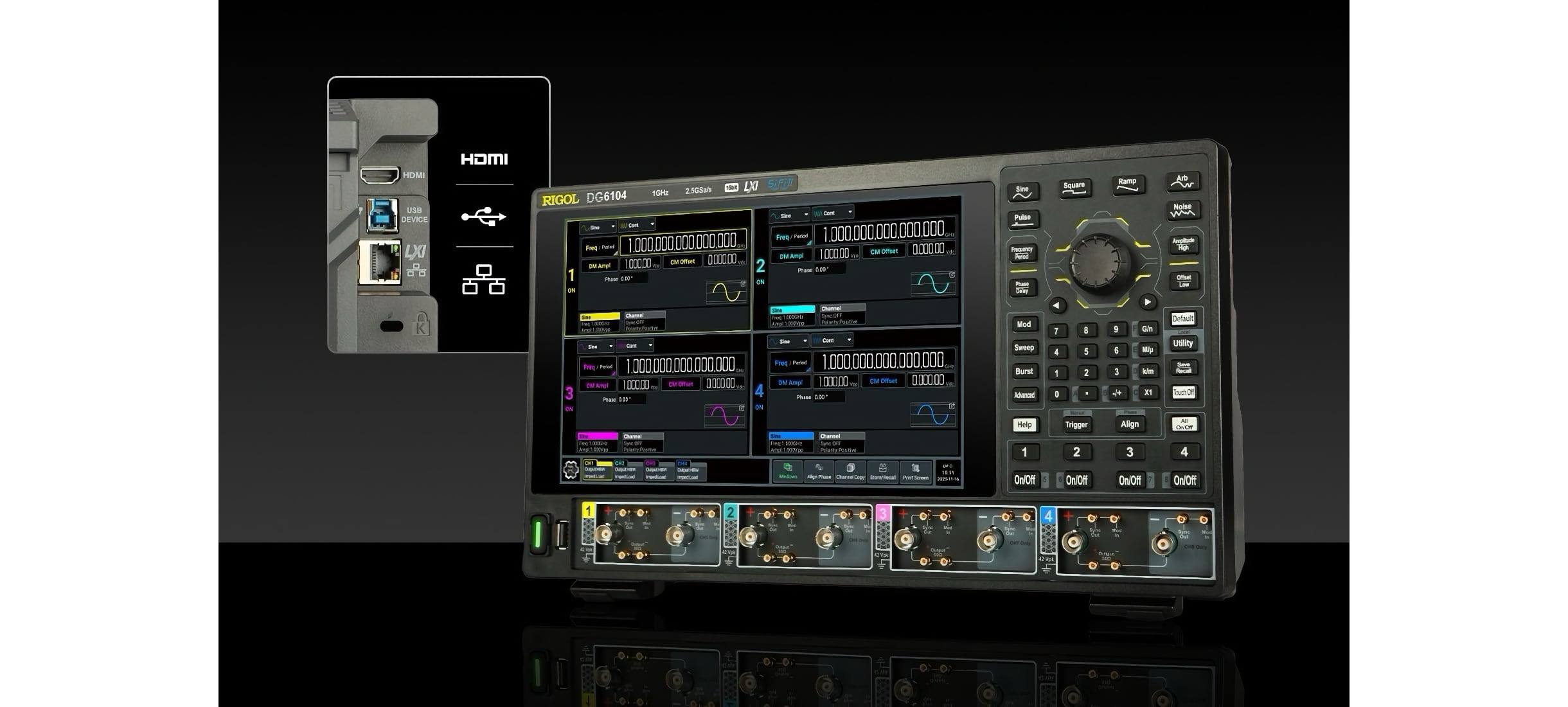
The RIGOL DG6000 Series of function and arbitrary waveform generators is designed to meet rigorous and modern testing requirements. With a bandwidth of up to 1 GHz and a sampling rate of 2.5 GSa/s, this series provides reliable performance in a versatile format. Equipped with a 10.1-inch HD touch display, the DG6000 series ensures an intuitive user experience, allowing users to configure complex parameters with simple gestures. Signal fidelity is maintained by a 16-bit vertical resolution and an isolated channel design, making it a highly suitable instrument for demanding applications in semiconductors, automotive, and advanced research.
Key Features of the Series
Model Comparison Table
| Feature | DG6052 | DG6102 | DG6054 | DG6104 |
|---|---|---|---|---|
| Maximum Output Frequency | 500MHz | 1GHz | 500MHz | 1GHz |
| Sample Rate | 2.5 GSa/s | |||
| Vertical Resolution | 16 bits | |||
| Number of Channels | 2 | 4 | ||
| Arbitrary Waveform Length | 256 Mpts (512 Mpts optional) | |||
| Square Wave Frequency | 300 MHz | |||

Breaking the limitations of traditional signal generators that require external baluns or amplifiers. All 4 channels of the DG6000 support differential output and offer switching between three modes: HBW (High Bandwidth), AMP (High Amplitude), and SND (Single-Ended). In AMP mode, the instrument can directly output differential signals of up to 20 Vpp (100 Ω). You can directly drive the gates of SiC/GaN power devices or conduct high-voltage differential bus testing, resulting in a more streamlined signal chain and higher signal fidelity.
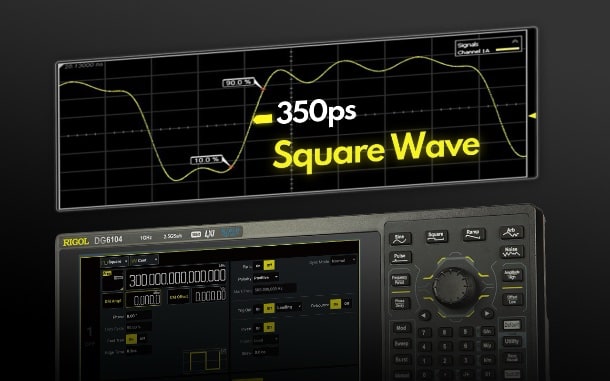
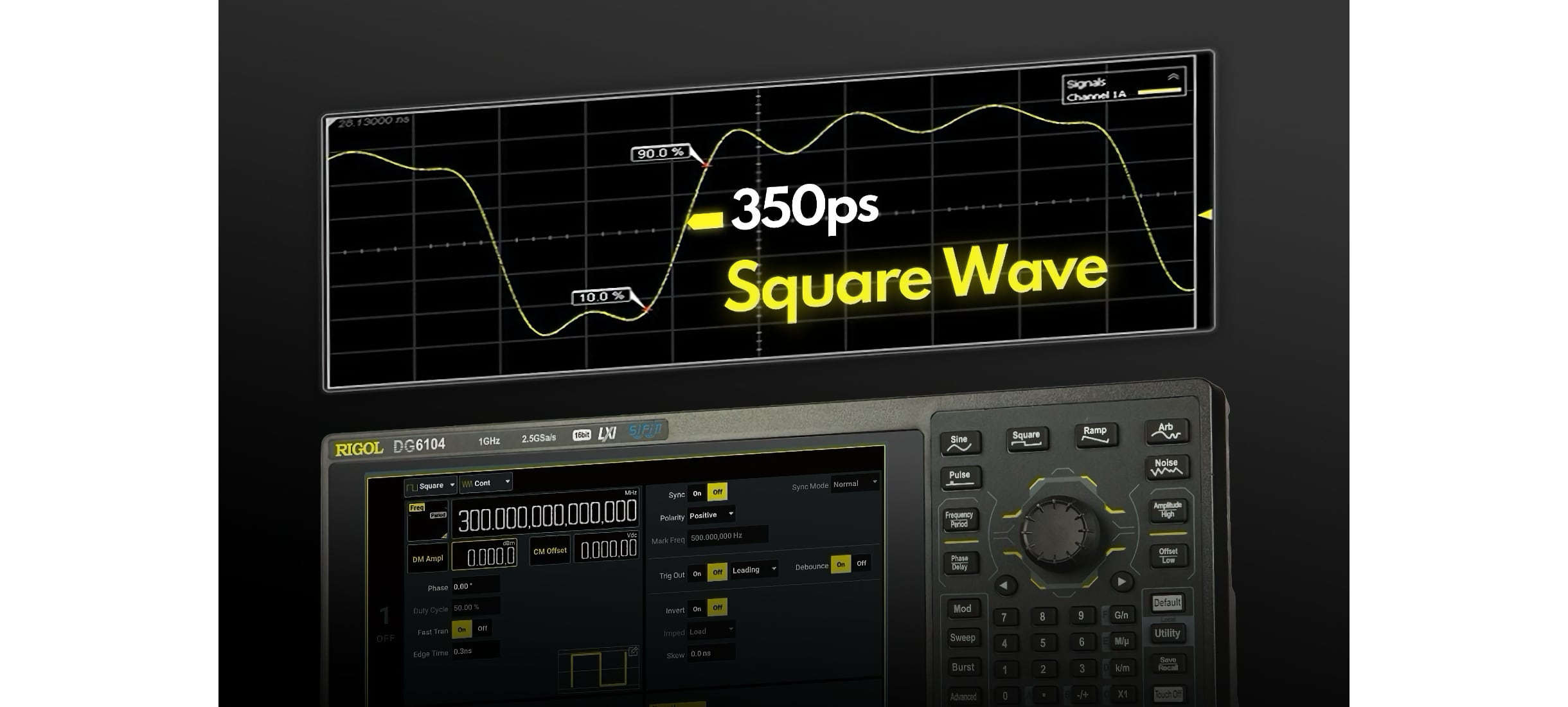
Square wave performance is the key to measuring the time-domain quality of a signal source. The DG6000 boosts the upper limit of the square wave frequency to 300 MHz. In the fast edge mode, the typical rise/fall time is only 350 ps. This provides a nearly ideal step response, making it the gold-standard clock source for verifying high-speed digital interfaces and testing the setup/hold time of logic circuits, with lower jitter and a more stable waveform.
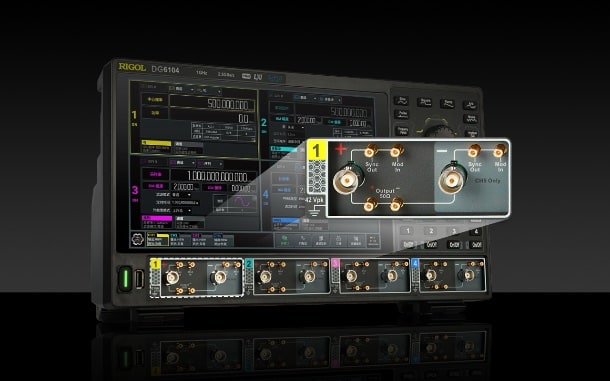
The DG6000 uses a fully electrically isolated design between channels, and each channel has an independent floating ground reference potential. Compared with instruments with traditional common ground design, this feature effectively cuts off the ground loop and eliminates the mutual crosstalk between channels. When conducting multi-channel parallel power supply tests, bioelectrical simulations, or industrial floating ground measurements, it not only has lower background noise but also prevents equipment damage caused by wiring errors.
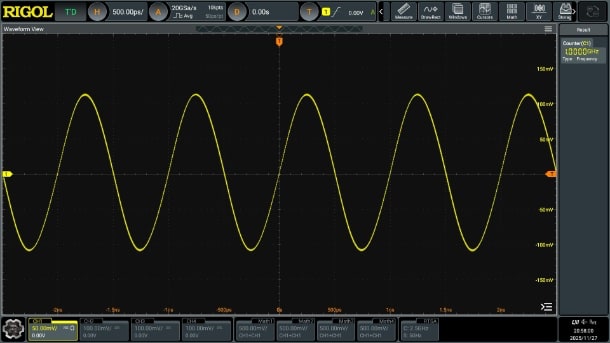
It takes into account both frequency width and waveform accuracy. The DG6000 provides a maximum sine wave output of 1 GHz, directly covering the test requirements from intermediate frequency to radio frequency. With a 16-bit vertical resolution and a sampling rate of 2.5 GSa/s, its quantization accuracy is four times that of traditional 14-bit instruments. In large dynamic range tests, even the tiny details superimposed on large-amplitude signals can be reproduced clearly and without jagged edges.
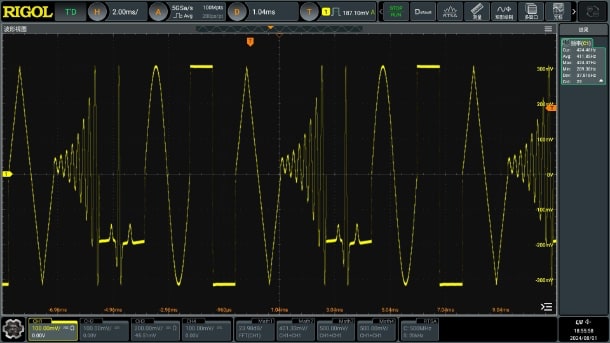
In radar, sonar, and complex environment simulations, the waveform length determines the authenticity of the simulation. The DG6000 can be optionally equipped with a maximum storage depth of 512 Mpts/CH. This means that users can download and play long-period real sampling data or generate extremely long non-periodic sequences, completely saying goodbye to the "short waveform loop" that has to be done due to insufficient memory, and ensuring that the simulation scenario is consistent with the real environment.
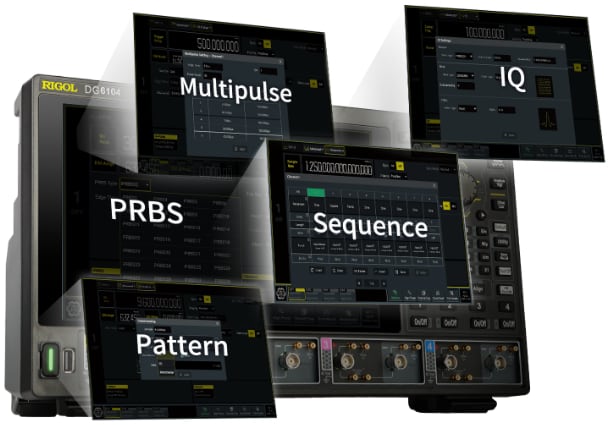
There is no need to rely on PC software. The DG6000 comes standard with a rich set of signal configuration templates. Built-in IQ modulation can directly generate digital communication signals; the PRBS pattern is used for bit error rate testing; the Multitone function enables fast audio intermodulation distortion analysis; the sequence and multi-pulse functions support the definition of complex waveform jump logic. One instrument can cover the multiple testing needs of communication, semiconductors, and general electronics.








Leave a Comment