
-
U heeft nog geen producten in uw winkelwagen.

U heeft nog geen producten in uw winkelwagen.


ACOUSTIC IMAGING CAMERAS REDUCE ENERGY COSTS FOR FOOD & BEVERAGE MANUFACTURING
Compressed air is used in almost every production process in the food and beverage industry. Undetected leaks can lead to serious consequences, such as contamination of products, reduced efficiency, increased downtime, and safety risks, which makes using effective predictive maintenance methods and tools absolutely critical.
Compressed air is a widely used utility in the food and beverage industry for various purposes. Industry-typical applications include processes with multiple air compressor assets connecting through pipes to deliver compressed air in order to move products, operate pneumatic tools or pump liquids for a variety of purposes in production chains, packaging and cleaning. However, compressed air leaks can cause significant problems in food and beverage manufacturing facilities, making regular inspection and maintenance of compressed air systems essential to ensure the quality and safety of food and beverage products.

INDUSTRY-SPECIFIC CHALLENGES FROM COSTS TO CONTAMINATION
The food and beverage industry is heavily regulated to ensure public safety and protect consumers from potential health hazards. This also means that air leaks cause certain industry-specific challenges. Firstly, vacuum leaks can contaminate the food and beverage products. The air in a manufacturing facility can contain particles and contaminants that can be harmful to food and beverage products. When vacuum leaks occur, they can introduce these contaminants into the products, leading to spoilage, quality issues, and even health risks for consumers. Secondly, compressed air leaks can reduce efficiency and increase operating costs. Compressed air systems are energy-intensive and require significant amounts of electricity to operate. When there are leaks in the system, the compressed air pressure drops, and the system has to work harder to maintain the required pressure, resulting in increased energy consumption and higher operating costs. As 24/7 operations are not uncommon in the food and beverage industry, these additional costs can quickly accumulate into significant amounts. Thirdly, compressed air leaks can also affect the performance of pneumatic tools and equipment, reducing their effectiveness and leading to downtime for repairs and maintenance.

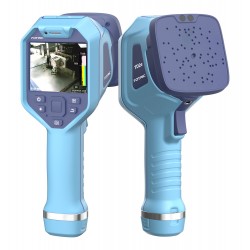
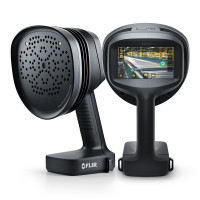
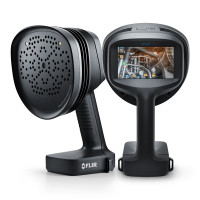
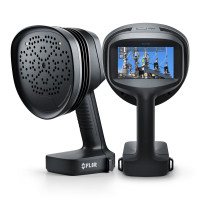
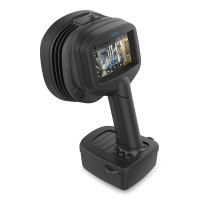
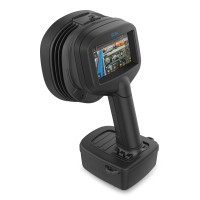
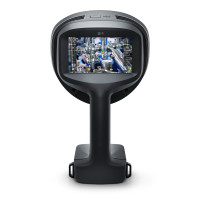
FLIR Si Acoustic Imaging Camera
DRAMATIC IMPROVEMENTS IN LEAK DETECTION SPEED AND ACCURACY
When using the acoustic camera, the company and its customers soon discovered that the device was able to detect leaks, save costs and help the environment by reducing CO2 emissions more efficiently than any other solution. “Since the introduction of the acoustic camera, the detection speed has improved dramatically, and it is now possible to detect leaks from a distance of several tens of meters. “Since the flow rate and cost of leaks can also be checked on the screen, I feel that the awareness of on-site personnel regarding leaks has changed,” one customer working in manufacturing describes their user experience. Another customer who had previously used a competing air leak solution reported having immediately noticed major performance improvements when trying the acoustic camera.
BENEFITS OF USING AN ACOUSTIC CAMERA FOR AIR LEAK DETECTION IN THE FOOD AND BEVERAGE INDUSTRY

Effective predictive maintenance inspections of compressed air systems are essential for ensuring the quality and safety of food and beverage products.
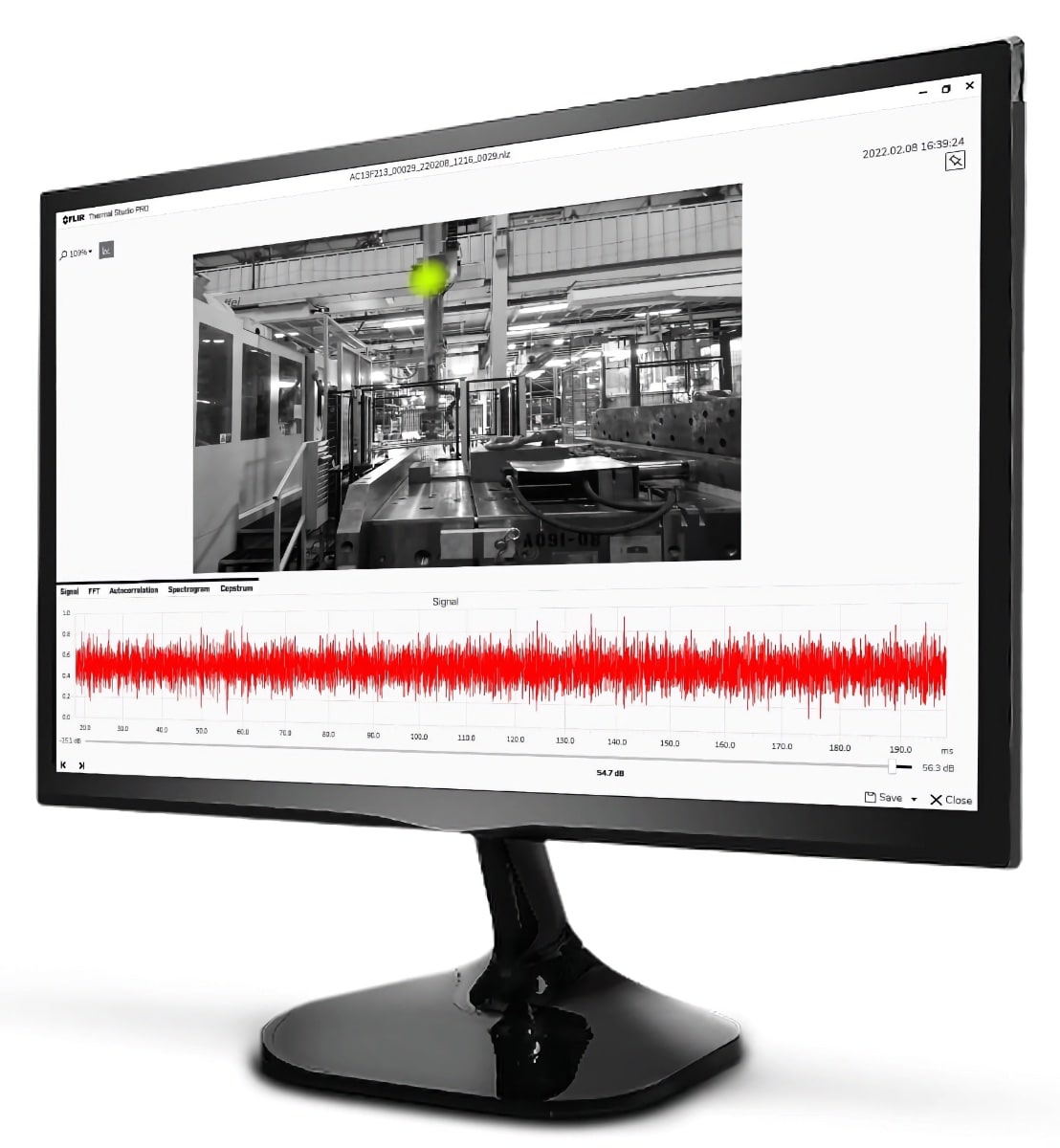
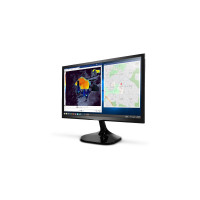
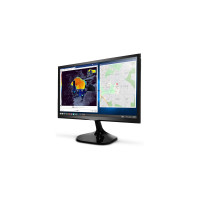
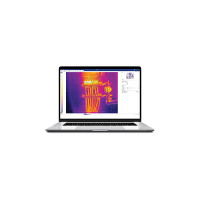
FLIR Thermal Studio Suite with the Si-Series Plugin







Leave a Comment